
Risk Assessment / Method Statement / COSHH Assessment
What Are They and Why Are They Important?
Every business has a legal responsibility to ensure the health and safety of its employees, contractors, and visitors. Risk Assessments, Method Statements, and COSHH Assessments (Control of Substances Hazardous to Health) are essential tools that help identify hazards, control risks, and protect people at work. Together, they form the foundation of a safe and compliant working environment, demonstrating that your organisation takes a proactive approach to managing workplace risks.
Our team of qualified consultants will work with you to ensure your working environment, procedures and risks are understood. Then, we will provide clear and legally compliant reports which highlight what hazards we have identified, the level of risk associated with those hazards, and how employers can reduce their risks by implementing specific precautionary measures in order to eliminate the potential for accidents and injuries.
By implementing a structured risk assessment, you will protect your staff, meet legal compliance in your workplace and create a culture of safety awareness in your organisation
1. Risk Assessment
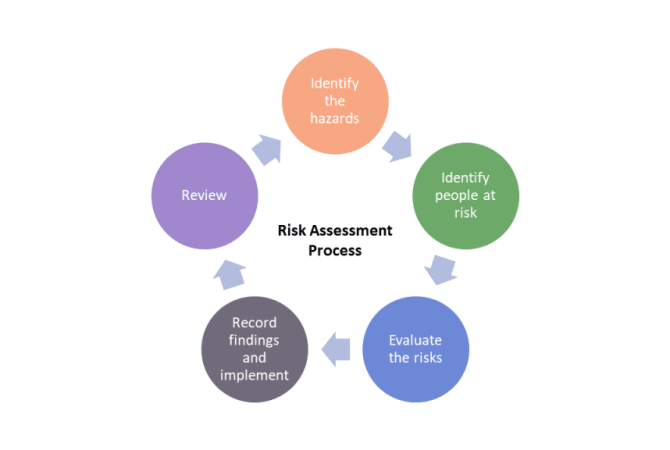
A Risk Assessment identifies potential hazards in your workplace or on-site activities and evaluates the likelihood and severity of harm. It helps you implement control measures to prevent accidents and ensures compliance with the Health and Safety at Work Regulations 1999.
A professional Risk Assessment will:
- Identify hazards and people at risk
- Evaluate existing controls and recommend improvements
- Support compliance with current legislation
- Reduce incidents, downtime, and insurance costs
2. Method Statement
A Method Statement details how a specific task or project will be carried out safely. It outlines the steps, safety controls, and responsibilities involved in ensuring everyone understands how to work safely before starting the job.
A Clear Method Statement provides:
- Step-by-step procedures for safe working
- Defined responsibilities for all personal
- Evidence of compliance for clients and principal contractors
- Reassurance that work is being carried out professionally and safely
The Method Statement acts as both a project communication tool for employers, employees, and clients. Clearly defining who is responsible for what, how to respond in an emergency, and what safe working procedures need to be followed allows for a better-maintained and controlled working environment for all parties involved. It is often used alongside a Risk Assessment to create a holistic safety plan for any project.
- Breaks down the job into manageable steps to identify where risks may occur.
- Highlights PPE requirements, access restrictions, and equipment safety checks.
- Ensures all staff understand their roles, responsibilities, and the correct order of operations.
- Demonstrates to clients, contractors, and inspectors that the work is planned and monitored responsibly.
3. COSHH Assessment
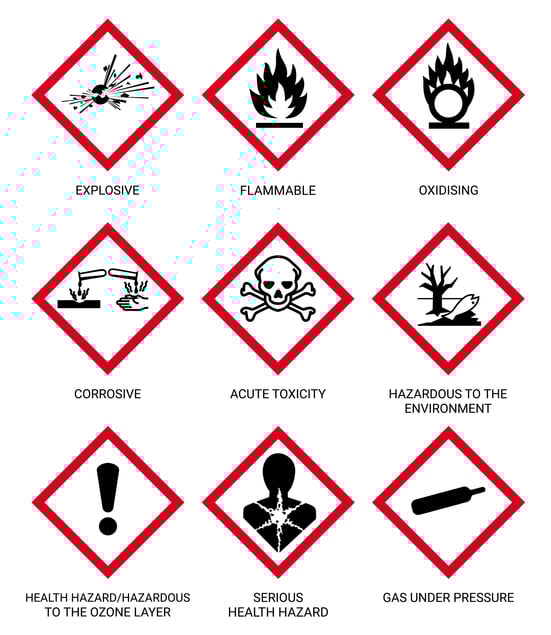
A COSHH Assessment focuses on any hazardous substances used or created in your workplace, such as chemicals, dust, fumes, or biological agents. It evaluates the risks associated with exposure and identifies the necessary control measures to protect workers’ health.
A COSHH Assessment will:
- Identify hazardous substances used on-site
- Assess potential exposure routes and health effects
- Recommend control measures (ventilation, PPE, storage, etc.)
- Ensure compliance with the Control of Substances Hazardous to Health Regulations 2002
It identifies not just the hazards associated with hazardous substances but also identifies the specific control measures necessary to protect employees. The COSHH Assessment will include sections relating to safe handling of hazardous substances, proper use and storage of hazardous substances, ventilation requirements, spills or leak response procedures, and education of the employees on safe use of hazardous substances.
- Covers chemical labelling, Safety Data Sheets (SDS), and emergency first-aid actions.
- Requires regular review to ensure controls remain effective as work conditions change.
- Ensures safe disposal procedures for chemical waste and contaminated materials.
- Helps employers decide whether a hazardous product can be substituted for a safer alternative.